
International Law / Maritime Law
Date: 6 March 2026 | Source: The Indian Express, Delhi Edition, 6 March 2026
Tags: UNCLOS, EEZ, Maritime Law, IRIS Dena, Iran, Right of Self-Defence, CUET International Law
The sinking of IRIS Dena, an Iranian naval frigate, by the US military raised fundamental questions under UNCLOS and the UN Charter’s right of self-defence. Essential reading for CUET International Law.
Introduction
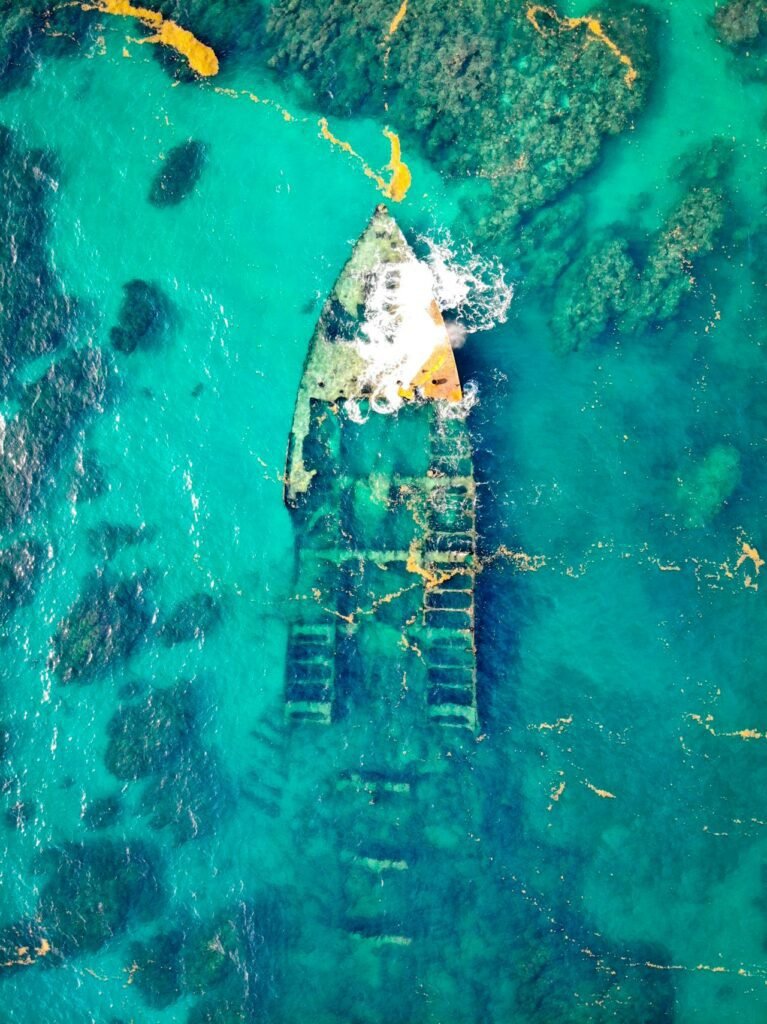
IRIS Dena, a frigate of the Islamic Republic of Iran Navy (IRIN), was sunk by US forces during the broader US-Iran military conflict. The incident raised immediate questions: Was this a legitimate act of self-defence? What are the rights and duties of naval vessels under UNCLOS?
⚓ About IRIS Dena
- Class: Moudge-class frigate — Iran’s domestically-built warship class
- Displacement: ~1,500 tonnes; length ~94 metres
- Role: Anti-submarine warfare, surface combat, patrol
- Significance: One of Iran’s most modern domestically-built naval vessels
The UNCLOS Framework: Key Concepts
| Maritime Zone | Extent | Rights |
|---|---|---|
| Territorial Sea | 0–12 nautical miles | Full sovereignty; foreign ships have right of innocent passage only |
| Contiguous Zone | 12–24 nm | Coastal state may enforce customs, fiscal, immigration laws |
| EEZ | 0–200 nm | Sovereign rights over resources; other states retain freedom of navigation |
| High Seas | Beyond 200 nm | Freedom of navigation; no state sovereignty |
UN Charter Article 51: Right of Self-Defence
Under Article 51 of the UN Charter, every UN member state has an “inherent right of individual or collective self-defence if an armed attack occurs.” The US justified striking IRIS Dena under this provision.
⚠️ Key Takeaways for CUET
- UNCLOS (1982): Establishes maritime zones — Territorial Sea (12 nm), Contiguous Zone (24 nm), EEZ (200 nm), High Seas.
- Innocent Passage: Foreign ships may pass through a state’s territorial sea, provided passage is continuous and does not threaten peace.
- UN Charter Article 51: The “inherent right of self-defence” — key for CUET international law.
- Moudge-class: Iran’s domestically-built frigate class.
Glossary
| UNCLOS | UN Convention on the Law of the Sea (1982) — defines maritime zones and rights of states over ocean areas. |
| EEZ | Exclusive Economic Zone — extends 200 nautical miles from a coastal state’s baseline. |
| Article 51, UN Charter | Recognises the “inherent right of individual or collective self-defence if an armed attack occurs.” |
| Innocent Passage | Right of foreign ships to pass through a state’s territorial sea, continuously and without threatening peace. |
📝 Practice Quiz — 5 MCQs
Select an answer to reveal the explanation