
Introduction
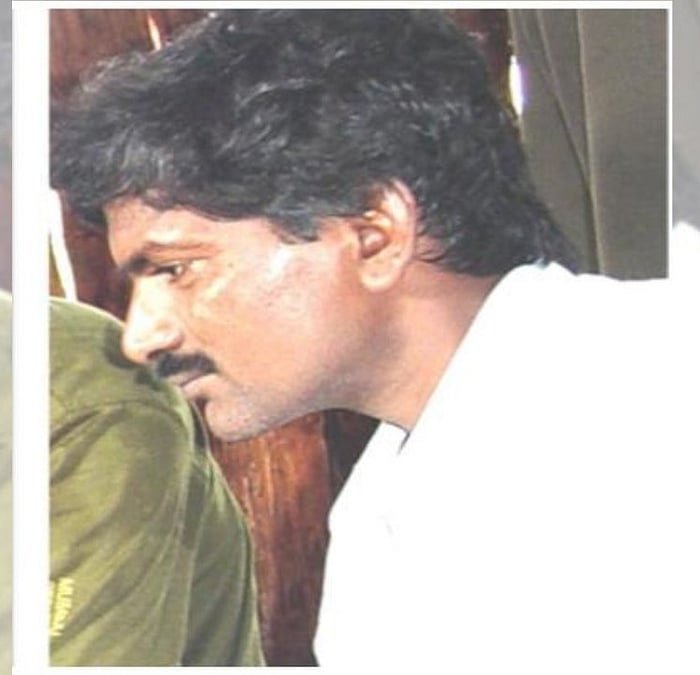
A senior Maoist leader known as ‘Devuji’ (identified as a Central Committee member of the CPI-Maoist) surrendered to security forces in Chhattisgarh on 25 February 2026, ahead of the Union government’s March 31, 2026 deadline for Maoists to lay down arms. The surrender signals the weakening of the Maoist movement in central India’s ‘Red Corridor.’
Background: Naxalism and Maoism in India
The Naxalite movement began in Naxalbari, West Bengal, in May 1967 when tribal and peasant groups led by Charu Mazumdar and Kanu Sanyal launched an armed uprising against landlords. The movement drew inspiration from Mao Zedong’s revolutionary ideology. Over decades, it spread across Bihar, Jharkhand, Odisha, Andhra Pradesh, Telangana, Maharashtra, and Chhattisgarh — forming the ‘Red Corridor’. The CPI (Maoist), formed in 2004, became the dominant organisation.
Government Response: Carrot and Stick
The Union government pursues a dual strategy: (1) Security operations — CRPF’s COBRA units, Greyhound forces, and state anti-Naxal operations; (2) Surrender policy — rehabilitation, cash incentives (up to Rs 10 lakh), employment, and social integration. PM Modi announced in 2024 that Maoism would be eradicated from India by 2026.
Status of the Red Corridor
At its peak in 2010, the Maoist movement was present in over 200 districts across 20 states. By 2025, it had been confined to fewer than 45 districts. Multiple top leaders have been killed or captured — Kishenji (2011), Azad (2010). The government claims over 80% reduction in Maoist violence from its peak.
📝 Practice Quiz — 5 MCQs
Answers with detailed explanations
📝 Practice Quiz — 5 MCQs
Answers with detailed explanations