
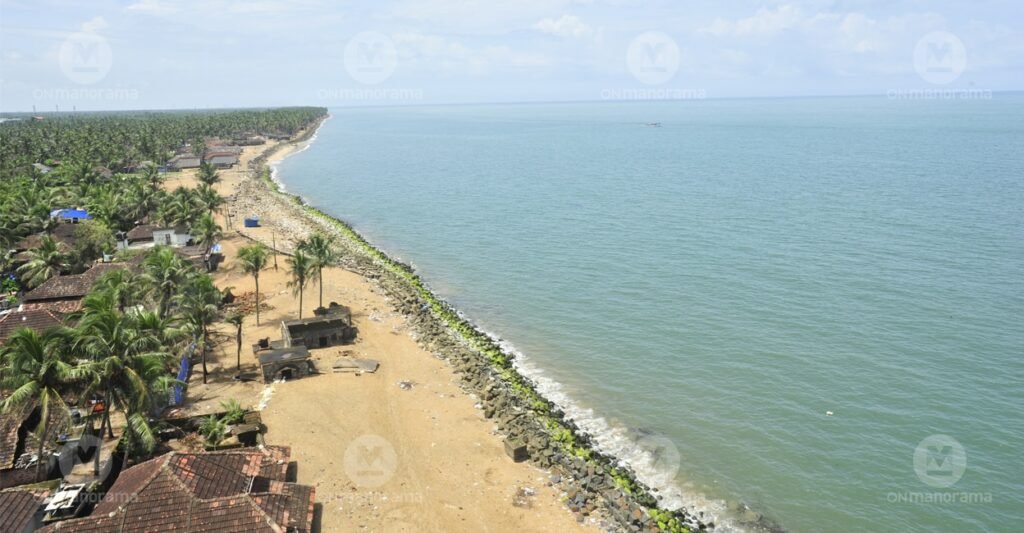
Introduction
In a significant cultural and constitutional development, the Union Cabinet on 25 February 2026 gave its approval to amend the Constitution to rename the state of Kerala as ‘Keralam’ — restoring its original Malayalam name. This marks the culmination of a decades-long demand by Kerala’s people and government to rectify what they considered an anglicised distortion of the state’s authentic name.
Background: The Demand for ‘Keralam’
The state has been officially called ‘Kerala’ since its formation on 1 November 1956 following the States Reorganisation Act, 1956. The name ‘Keralam’ (from ‘Kera’ meaning coconut palm and ‘alam’ meaning land — or alternatively, from the ancient Chera dynasty that ruled the region) appears in 13th century texts and inscriptions. Linguistically, the Malayalam pronunciation is ‘Keralam’, not ‘Kerala.’ The Kerala Legislative Assembly had passed a resolution requesting the change, leading to the Cabinet’s approval.
The Constitutional Mechanism: Article 3
The power to rename a state lies with Parliament under Article 3 of the Constitution. Key provisions: (1) Parliament may by law form a new state by separation of territory; (2) increase the area, decrease the area, or alter the boundaries of any state; and (3) alter the name of any state.
The process requires: A Bill introduced in Parliament (not necessarily by the affected state); the Bill referred to the state legislature for its views (but Parliament is NOT bound by those views); the President’s assent. Crucially, Article 4 clarifies that such laws are NOT amendments to the Constitution under Article 368 — they can be passed by a simple majority.
Previous Examples of State Renaming
India has seen multiple renamings: Bombay to Maharashtra (reorganisation 1960); Madras to Tamil Nadu (1969); Mysore to Karnataka (1973); Orissa to Odisha (2011); Uttaranchal to Uttarakhand (2007). The renaming of Keralam would follow the same constitutional process.
📝 Practice Quiz — 5 MCQs
Answers with detailed explanations
📝 Practice Quiz — 5 MCQs
Answers with detailed explanations