Social Justice / Constitutional Law
JNU VC’s Casteist Remarks and NCSC: Understanding the SC/ST Atrocities Act
Date: 25 February 2026 | Source: The Indian Express, Delhi Edition, 25 February 2026
Tags: SC/ST Atrocities Act, NCSC, JNU VC, Caste Discrimination, Article 338, CUET Polity
📝 Test Your Understanding
Take a quick 5-question quiz based on this article
NCSC filed a complaint against JNU VC for alleged casteist remarks on 25 Feb 2026. Understand the SC/ST Act and NCSC powers for CUET Polity.
Introduction
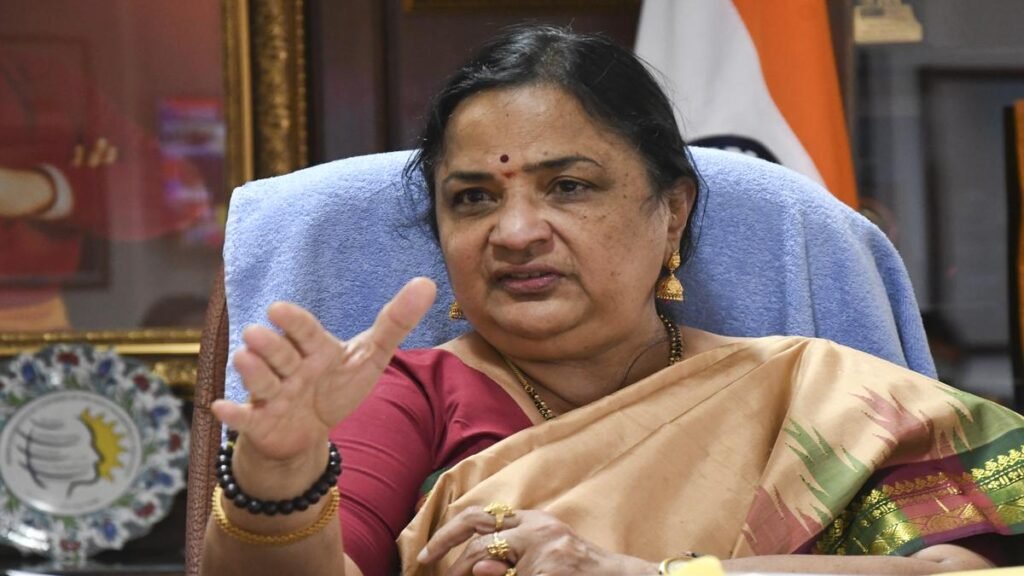
The National Commission for Scheduled Castes (NCSC) filed a formal complaint on 25 February 2026 against JNU Vice-Chancellor Santishree Dhulipudi Pandit, following allegations of casteist remarks against SC students and faculty. The NCSC simultaneously demanded a report from the Union Education Ministry. The episode highlights continuing caste discrimination in India’s educational institutions.
The Allegations
Multiple students, faculty members, and the JNU Students’ Union alleged that the Vice-Chancellor made remarks derogatory towards Dalit students, questioned the merit of SC/ST reserved category entrants, and created a hostile academic environment. The NCSC’s swift action — issuing notices within days — demonstrates the commission’s active stance on caste-based discrimination.
The SC/ST (Prevention of Atrocities) Act, 1989
The SC/ST Atrocities Act defines specific offences against SC/ST members including use of abusive/derogatory language, deliberate humiliation, denial of rights, and physical violence. It establishes Special Courts for speedy trial. Offences are non-bailable and cognisable. The Act was amended in 2015 and 2018 — the 2018 amendment reversed the controversial Subhash Kashinath Mahajan Supreme Court order.
NCSC: Powers and Constitution
The NCSC is a constitutional body established under Article 338. Its functions include: (1) investigating matters relating to constitutional safeguards for SCs; (2) inquiring into specific complaints; (3) participating in socio-economic development planning for SCs; (4) reporting to the President annually. The NCSC has quasi-judicial powers — it can summon persons, examine under oath, require documents, and issue warrants.
Key Takeaways for Exam
- SC/ST Atrocities Act: 1989, amended 2015 and 2018.
- NCSC established under Article 338 of the Constitution.
- NCSC reports to the President of India annually.
- Constitutional safeguards for SCs: Articles 15(4), 16(4), 17, 46, 338, 341.
- The Subhash Kashinath Mahajan case (2018) and Parliament’s response via amendment.
Glossary
| NCSC | National Commission for Scheduled Castes — a constitutional body under Article 338 that safeguards SC rights. |
| SC/ST Atrocities Act | The Scheduled Castes and Scheduled Tribes (Prevention of Atrocities) Act, 1989 — law protecting SC/ST from discrimination and violence. |
| Article 338 | Constitutional provision establishing the NCSC with investigatory and advisory powers. |
| Article 17 | Abolition of Untouchability — a fundamental right in the Indian Constitution. |
📝 Practice Quiz — 5 MCQs
Answers with detailed explanations
↑ Back to Top
📝 Practice Quiz — 5 MCQs
Answers with detailed explanations