
Introduction
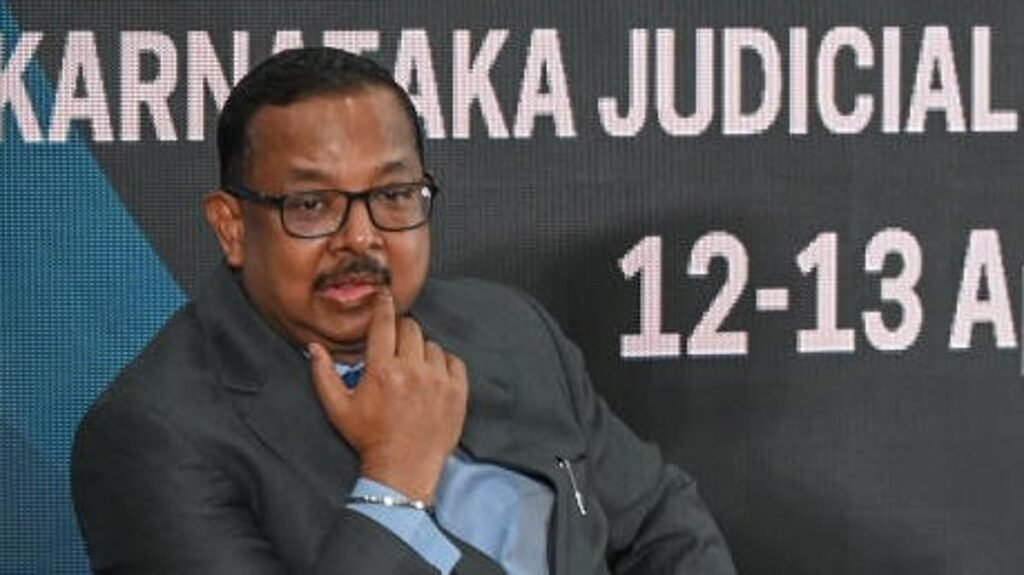
On 25 February 2026, Supreme Court Justice Ujjal Bhuyan warned about the dangers of judicial institutions yielding to ‘popular morality’ — what the public majority believes — at the expense of ‘constitutional morality’ — what the Constitution mandates. His remarks come amid intense debate about courts protecting minority rights against majoritarian impulses.
Understanding Constitutional Morality
The concept was introduced by Dr. B.R. Ambedkar in his 1948 speech to the Constituent Assembly. He distinguished between ‘constitutional morality’ — adherence to the values and principles embedded in the Constitution, particularly fundamental rights — and ‘popular morality’ — dominant social norms that may be prejudiced, discriminatory, or unjust. Ambedkar warned that India’s diverse society might allow popular prejudices to override constitutional guarantees.
The Navtej Singh Johar Case
The most significant application came in Navtej Singh Johar v. Union of India (2018), where a five-judge Constitution Bench decriminalised consensual same-sex relations by striking down Section 377 IPC. The Court held that constitutional morality must prevail over popular morality. Chief Justice Dipak Misra wrote: ‘Constitutional morality cannot be martyred at the altar of social morality.’
Justice Bhuyan’s Context
Justice Bhuyan’s remarks come against a backdrop of debates around religious minority rights, demolition orders (‘bulldozer justice’), and political dissent. His remarks remind the judiciary of its counter-majoritarian role — the Court’s primary function is to protect rights guaranteed by the Constitution, especially those of minorities who cannot protect themselves through democratic processes.
📝 Practice Quiz — 5 MCQs
Answers with detailed explanations
📝 Practice Quiz — 5 MCQs
Answers with detailed explanations